BRITISH GOLD COIN KNOWLEDGE
Aurum Bullion PLCSpeak to a Specialist

AURUM COIN KNOWLEDGE

The stories behind Britain's gold coins.

Explore the history, symbolism and collecting context behind some of the most important families of British gold coinage. These pages are educational and are designed to help collectors understand what distinguishes one issue from another.

A SHORT HISTORY OF BRITISH GOLD COINAGE

From symbols of royal power to modern British icons.

Britain's gold-coin story stretches across centuries of monarchy, trade, empire, art and technological change. The coins collectors encounter today belong to a much longer tradition in which gold was used not only as money, but also as a statement of sovereignty and national identity.

1344

England returns to gold

Edward III's reign saw the introduction of new English gold denominations, including the noble. Medieval gold coinage reflected the growing importance of international trade and gave the Crown a prestigious high-value currency.

1489

The first Sovereign

Henry VII introduced the gold Sovereign, an imposing coin whose name and imagery proclaimed the authority of the Tudor monarchy. Although very different from the modern Sovereign, it established one of the most enduring names in British coinage.

1817

The modern Sovereign

Following the Great Recoinage, the modern Sovereign appeared under George III. Benedetto Pistrucci's St George and the Dragon design became one of the defining images of British coinage and remains closely associated with the denomination.

19th–20th C.

A coin with global reach

Sovereigns were struck not only in Britain but at branch mints across parts of the British Empire. Dates, monarchs and mint marks now give collectors numerous ways to trace the coin's international history.

1987

The Gold Britannia

The modern Gold Britannia series introduced a new flagship British bullion coin. Britannia, a personification with roots in antiquity, provided a distinctly British identity and has since appeared in numerous artistic interpretations and Proof editions.

Today

History reinterpreted

Modern Royal Mint programmes revisit heraldry, celebrated engravers, monarchs, anniversaries, landmarks and national stories. Series such as the Royal Tudor Beasts and modern interpretations of historic masterpieces connect contemporary minting with Britain's numismatic past.

UNDERSTANDING GOLD COINS

Mint State, Proof, slabbed and bullion: what is the difference?

These terms describe different things. MS and Proof describe how a coin was produced and, in the case of MS, its uncirculated condition. “Slabbed” describes how a coin has subsequently been independently certified and encapsulated. “Bullion” describes a coin whose primary market relationship is normally to its precious-metal content. A single coin can therefore fit more than one description.

MS · MINT STATE

Mint State Coins

Mint State, abbreviated MS, describes an uncirculated coin struck in the same format as a circulation or standard issue. On the internationally recognised 1–70 grading scale, Mint State grades run from MS60 to MS70.

An MS70 is at the top of the scale. MS does not mean “Proof”: the manufacturing method is different.

PF · PROOF

Proof Coins

A Proof is specially produced for collectors, using specially prepared dies and planchets and a high-quality striking process. Traditional Proofs often show highly reflective fields contrasting with frosted design elements.

NGC uses PF before the numerical grade, for example PF69 or PF70. “Ultra Cameo” describes particularly strong contrast between frosted devices and mirrored fields.

CERTIFIED · ENCAPSULATED

Slabbed Coins

“Slabbed” is the collector term for a coin sealed inside a protective holder by a third-party grading or certification service such as NGC or PCGS.

The holder normally records information such as the coin, date and assigned grade. A slab is therefore not a type of coin or finish: both an MS coin and a Proof coin can be graded and slabbed.

PRECIOUS METAL

Bullion Coins

A bullion coin is issued principally as a convenient way to own precious metal, so its market price is generally closely related to its gold content, although premiums can apply.

Some bullion issues can also become collectable because of date, design, scarcity or exceptional condition. A bullion coin submitted for certification may therefore also be Mint State and slabbed.

How the terms can overlap: a gold Britannia struck as a standard bullion issue could be certified MS70 and encapsulated in a slab. A specially struck collector Britannia could instead be a Proof, receive a grade such as PF70 Ultra Cameo, and also be slabbed. The grade describes condition; MS/PF identifies the strike type; the slab records and protects the certified coin.
Curated British collectable gold coin

CURATED BY AURUM

Curated Gold Coins

Aurum's curated selection brings together British gold coins chosen for characteristics that distinguish them beyond their underlying precious-metal content. Depending on the issue, these may include design, historical subject, mintage, condition, proof quality, certification, grade, provenance or wider collector interest.

Curated does not describe a separate Royal Mint striking standard or grading category. It describes Aurum's selection approach: identifying individual coins and series that merit closer attention within the wider British gold-coin market. Each coin should still be assessed on its own characteristics, certification and market context.

SELECTIONDistinctive British gold issuesCONSIDERDesign, rarity, grade and historyCONTEXTEach coin assessed individually
Explore curated gold coins →
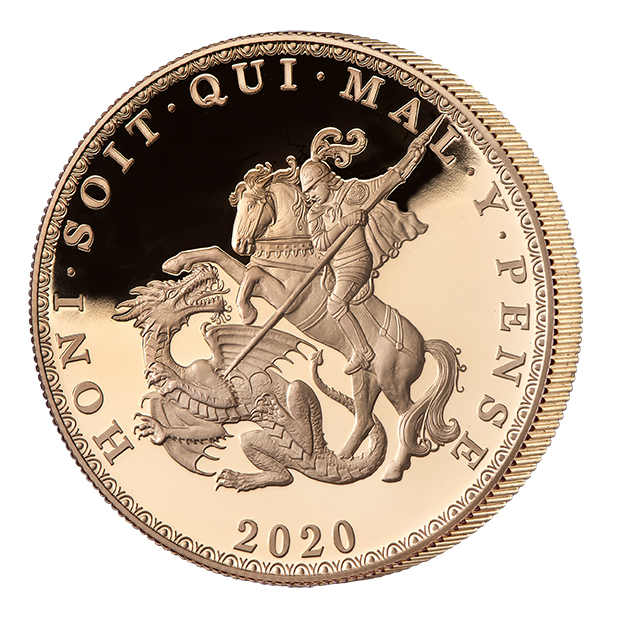
British Sovereign gold proof coin

BRITISH CLASSIC

The Sovereign

The Sovereign is one of the defining names in British gold coinage. The modern Sovereign was introduced in 1817 during the reign of George III, although the name reaches back to a much earlier English gold coin first issued under Henry VII. Its long association with the monarchy, British commerce and the famous St George and the Dragon design gives it a distinctive place in numismatic history.

Collectors can encounter Sovereigns across monarchs, mints, dates and finishes. Proof issues, historic branch-mint coins, unusual dates and exceptional grades can therefore tell very different stories even when the denomination is the same.

MODERN SERIESIntroduced in 1817FAMOUS MOTIFSt George and the DragonCOLLECTINGMonarch, date, mint and grade
Explore the collection →
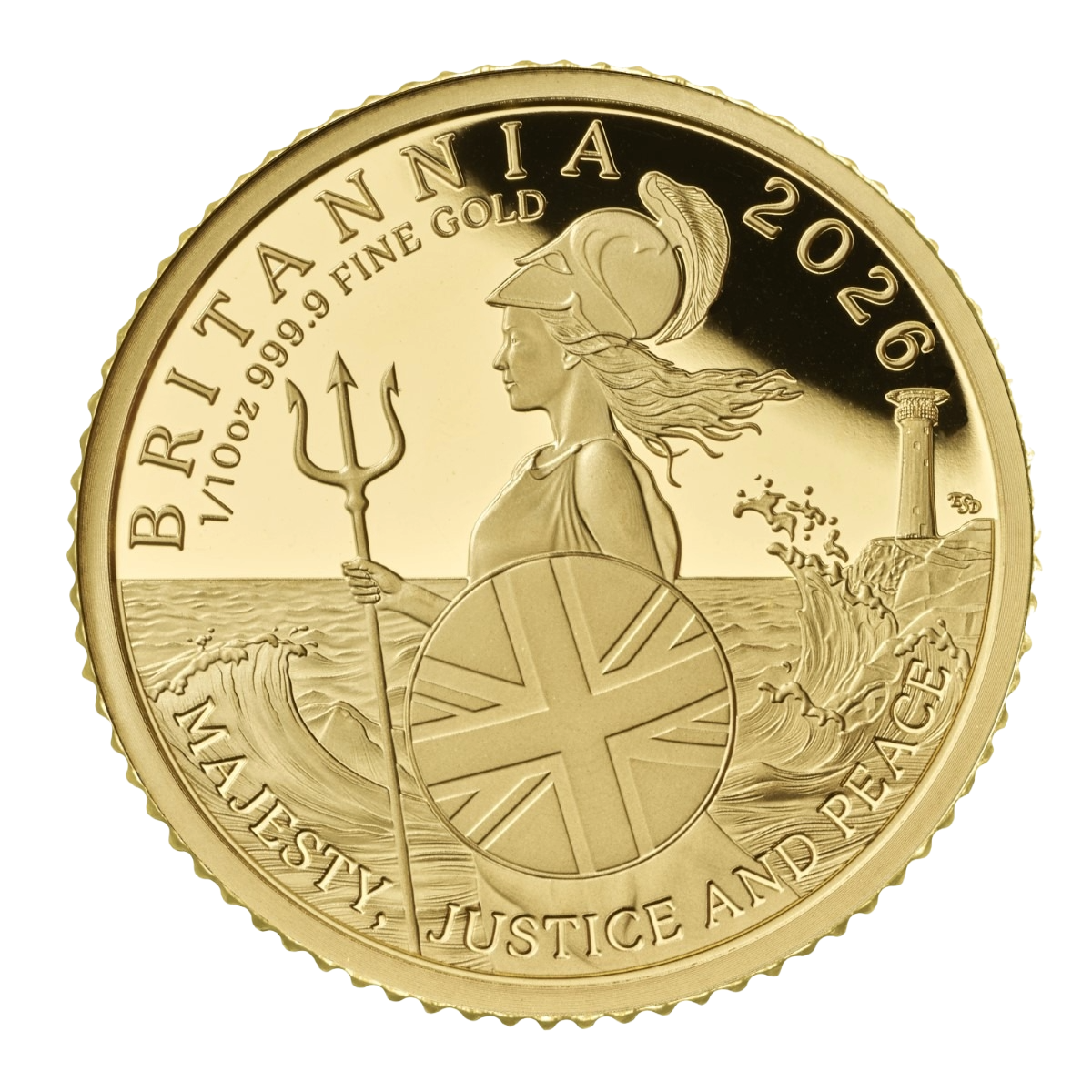
2026 Britannia UK one-tenth ounce gold proof coin reverse

BRITISH ICON

Britannia

Britannia has personified Britain for centuries and became the central figure of the Royal Mint's modern Britannia gold coin series in 1987. The familiar helmeted figure, often carrying a trident and shield, connects modern precious-metal coinage with a much older visual language of British identity.

Proof Britannias and special interpretations are collected not only for their gold content but also for finish, design, year, denomination, condition and certification. Changing artistic treatments of Britannia have made the series especially useful for collectors interested in the evolution of modern British coin design.

GOLD SERIESIntroduced in 1987SYMBOLBritanniaCOLLECTINGYear, design, proof and grade
Explore the collection →
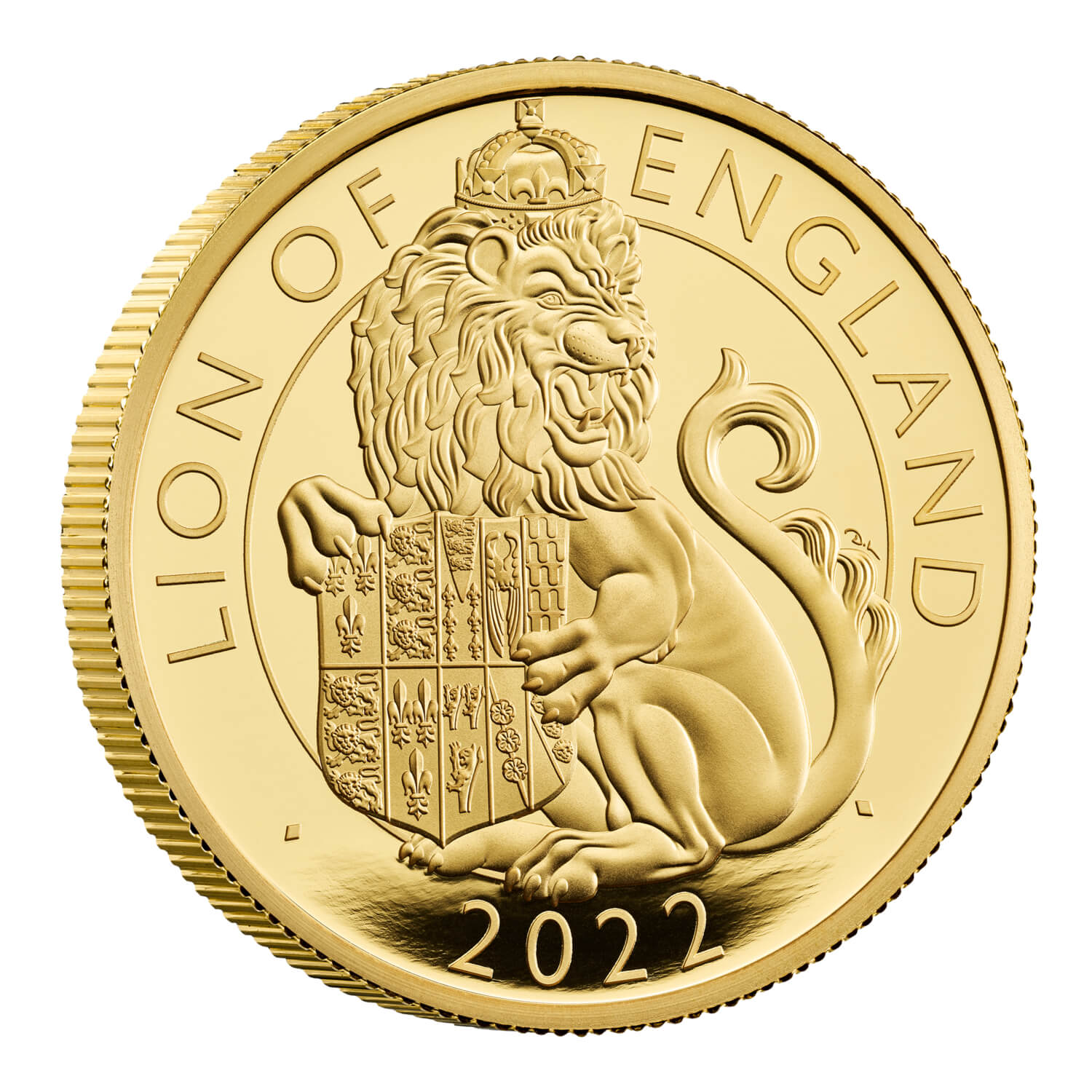
Lion of England gold proof coin

ROYAL HERITAGE

Royal Tudor Beasts

The Royal Tudor Beasts series draws on the heraldic creatures associated with Henry VIII and the Tudor dynasty, particularly the stone beasts that line the Moat Bridge at Hampton Court Palace. Each creature carries dynastic and political meaning, turning a modern gold coin series into a journey through Tudor symbolism.

For collectors, the attraction lies in building a connected series while comparing designs, denominations, weights, proof finishes, mintages and certified grades. The Lion of England is among the most recognisable heraldic subjects in the collection.

THEMETudor heraldrySETTINGHampton Court PalaceCOLLECTINGSeries, weight, finish and grade
Explore the collection →
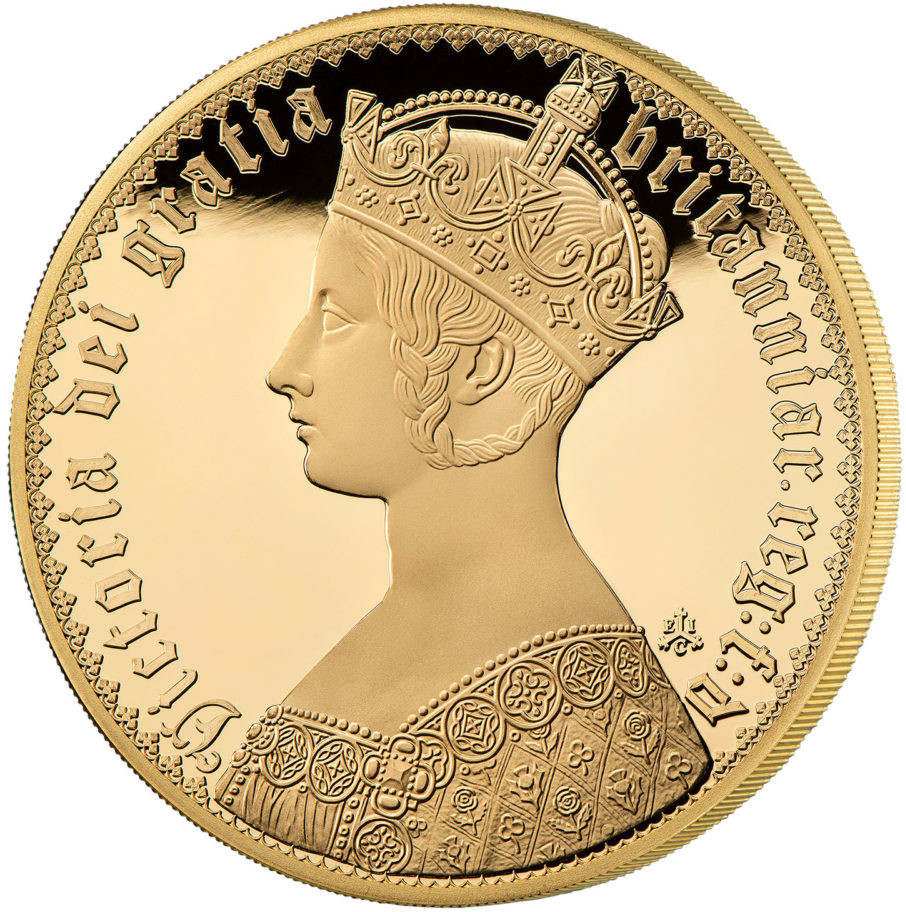
Gothic Victoria Crown gold proof coin

GREAT DESIGNS

Modern Masterpieces

Some modern British proof coins revisit celebrated designs from the history of coinage. These issues allow collectors to encounter historic artistic ideas through contemporary minting techniques, often in larger formats and highly finished proof surfaces.

The Gothic Crown associated with Queen Victoria is one of the most admired designs of the Victorian period. Modern reinterpretations connect nineteenth-century numismatic art with present-day craftsmanship, creating a bridge between historic design and modern collecting.

FOCUSHistoric designs revisitedAPPEALArt, history and craftsmanshipCOLLECTINGMintage, format, finish and grade
Explore the collection →
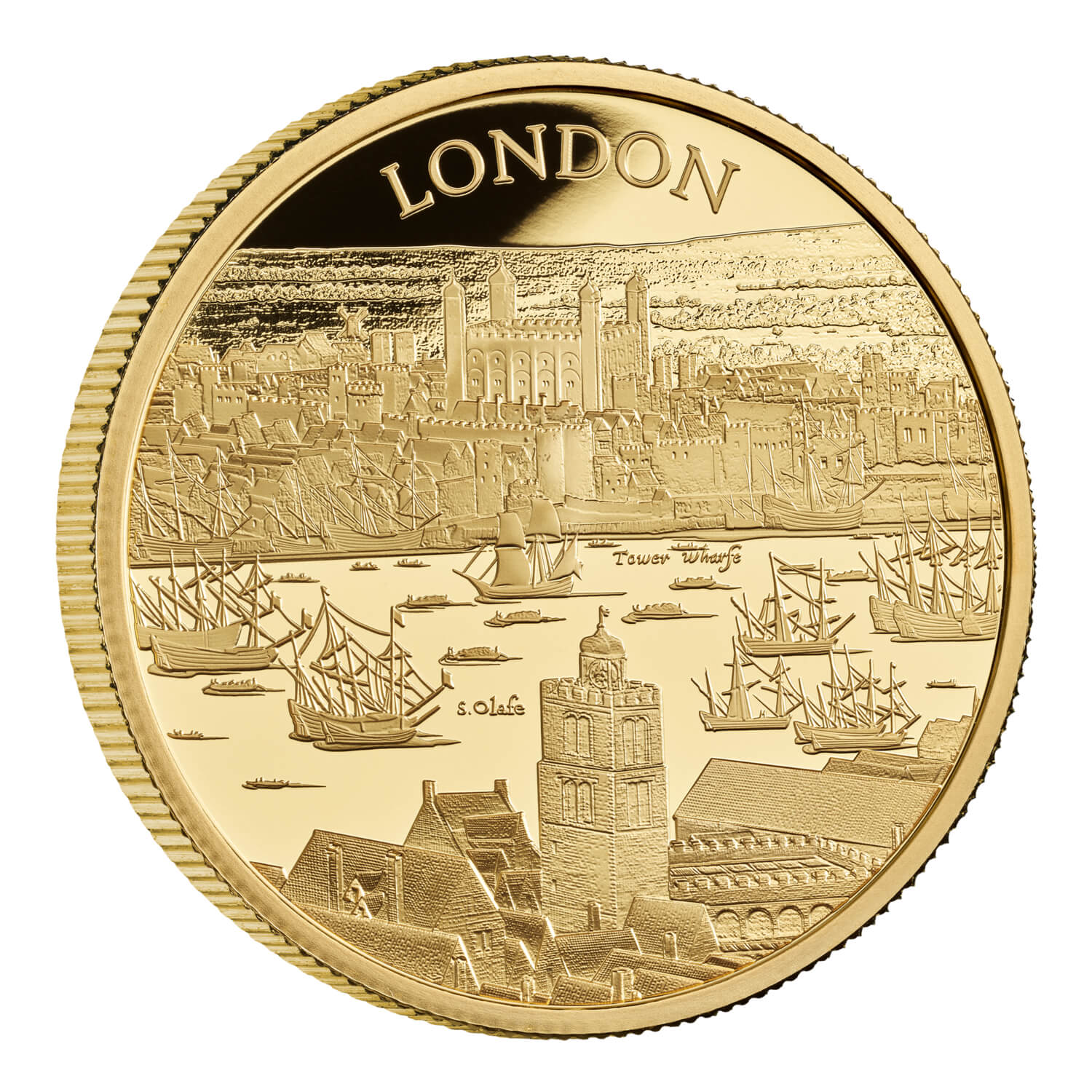
City Views London gold proof coin

BRITISH HISTORY

Commemorative Gold Coins

British commemorative gold coins record people, places, anniversaries and events. Their subjects can range from royal milestones to literature, architecture and national history. Unlike a continuous bullion series, each commemorative issue can have its own design language, denomination, mintage and collector audience.

Collectors should distinguish the coin's legal denomination and precious-metal content from its numismatic characteristics. Mintage, presentation, condition, certification, provenance and demand can all be relevant when comparing commemorative issues.

SUBJECTSPeople, places and eventsFORMATProof and collectable issuesCOMPAREMintage, condition and certification
Explore the collection →